


You’ve tried it all. Harsh cleansers, sticky face masks, and spot treatments that smell like they could power a small rocket. Maybe they helped for a while. Maybe they didn’t. But somehow, the breakouts always return.
What if the issue isn’t how many products you’re using, or how strong they are, but what you’re fighting?
Meet biofilms: microscopic sticky communities that allow bacteria to hide from you and everything you throw at it.
Imagine a city built for bacteria. A crowded, glue-like neighborhood where microbes live together, share information, and work together to defend themselves.

When bacteria settle on your skin, they begin producing a sticky substance known as extracellular polymeric substance (EPS) that helps protect them from harsh environments. EPS is made up of protein, DNA, and other molecules that create a kind of gel-like armor for the bacteria living inside, locking them in place and shielding them from your skincare.
It's this combination of EPS and bacteria that constitutes a biofilm. It’s estimated that around 80-90% of all bacteria on Earth live inside biofilm communities; and naturally, that includes the bacteria on our skin.
Bacteria inside a biofilm behave very differently from free-floating, or “planktonic,” bacteria. They:
• Communicate with each other to collectively change their behaviour, a process called quorum sensing
• Share resources and genetic material, including resistance genes
• Become much harder to reach with traditional methods that do not break down the EPS barrier

In current research, scientists have discovered that the bacteria Cutibacterium acnes (formerly Propionibacterium acnes) can form biofilms inside hair follicles.
"The method by which a seemingly harmless commensal [bacteria that normally lives on the skin without causing harm] triggers such a strong immune response has confused scientists for decades until its biofilm-forming abilities had been discovered."
From: The role of Propionibacterium acnes biofilm in acne vulgaris. https://doi.org/10.13188/2373-1044.1000029

Once bacteria is protected inside their biofilms, they become up to 5,000 times more resistant to attacks. That’s why spot treatments and cleansers can sometimes feel like they’re doing nothing… because they aren't truly working if they’re not designed to break through that sticky matrix.

Very possibly, yes.

Most traditional cleansers with ingredients like benzoyl peroxide, salicylic acid, and other harsh chemicals are designed to kill bacteria floating around, otherwise known as planktonic bacteria which isn’t encapsulated in a biofilm matrix.
Studies measuring the effectiveness of some of the most popular chemicals in skincare have found that while they are markedly effective at killing planktonic bacteria, none of these ingredients are as effective at disrupting EPS or eradicating biofilm cultures. Solutions like 2.5% and 5% benzoyl peroxide have even been found to be 'biologically ineffective' in the presence of biofilms. Source
"Unless you're targeting the biofilm structure before the bacteria inside, it's like trying to sneak past the bouncer to get into the club. Not happening!"
That’s why you may experience that frustrating pattern: clear → breakout → clear → breakout again and again and again. You're managing it, but not cleansing away the foundation that's allowing it to thrive in the first place.
Most skincare isn’t designed to break down biofilm's EPS structure. Panaclear is. It's how we get results like these:


Our formula works thanks to a brand new cleansing process we invented called hyperprotonation.
Hyperprotonation is a dynamic reaction between an acid and a base inside the formula that keeps generating fresh hydronium ions (hydrogen that's been supercharged with an extra proton).
You can imagine it like a tiny engine running on your skin. It's continuously releasing a gentle stream of protons that gently exfoliate dead cells, loosen clogged oil, and break through the protective EPS barrier bacteria build around themselves, leaving you with clearer looking skin free from microscopic buildup.
In laboratory testing, this process showed remarkable results.
"[Hyperprotonation] killed 100% of bacteria... this with the log10 result assures the product will attract significant attention in health and allied industries"
Professor Steve Wesselingh, Inaugural Executive Director, SAHMRI
With Panaclear, you’ve got a cleanser that not only cleanses away dirt and oil buildup, but clears the sticky terrain bacteria depend on to thrive.


Biofilms are sticky, protective communities that bacteria form, making them highly resistant to traditional bacteria-targeting skincare solutions.

Biofilm triggers inflammation by protecting bacteria, creating a heightened immune response, trapping oil in pores, and damaging nearby cells.

Biofilm activates your immune system which sends a surge of white blood cells to fight it off. As they battle and die, they accumulate, creating pus.

By acting as a shield, biofilm prevents skincare targeting dirt, oil and bacteria alone from effectively reaching the bacteria inside.
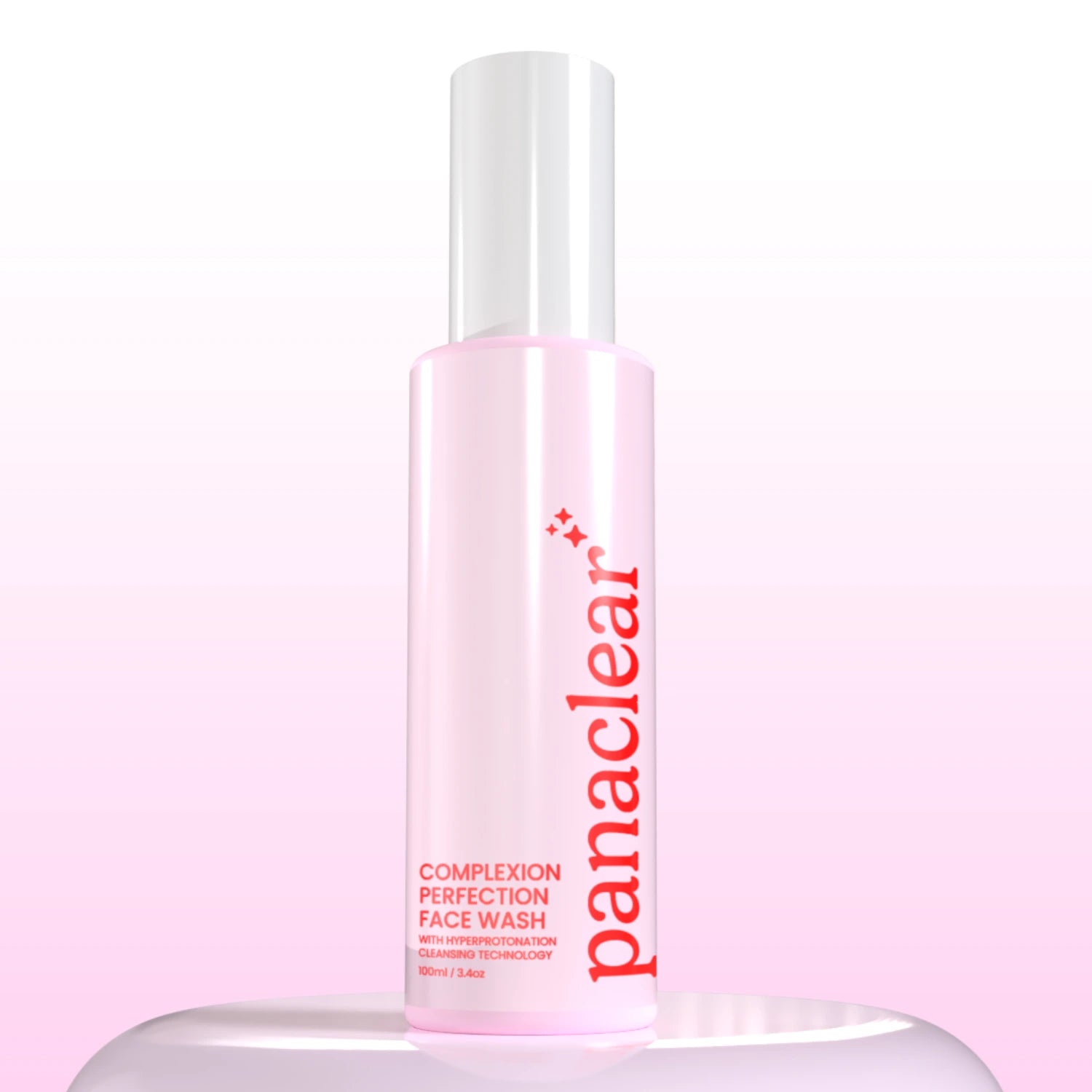
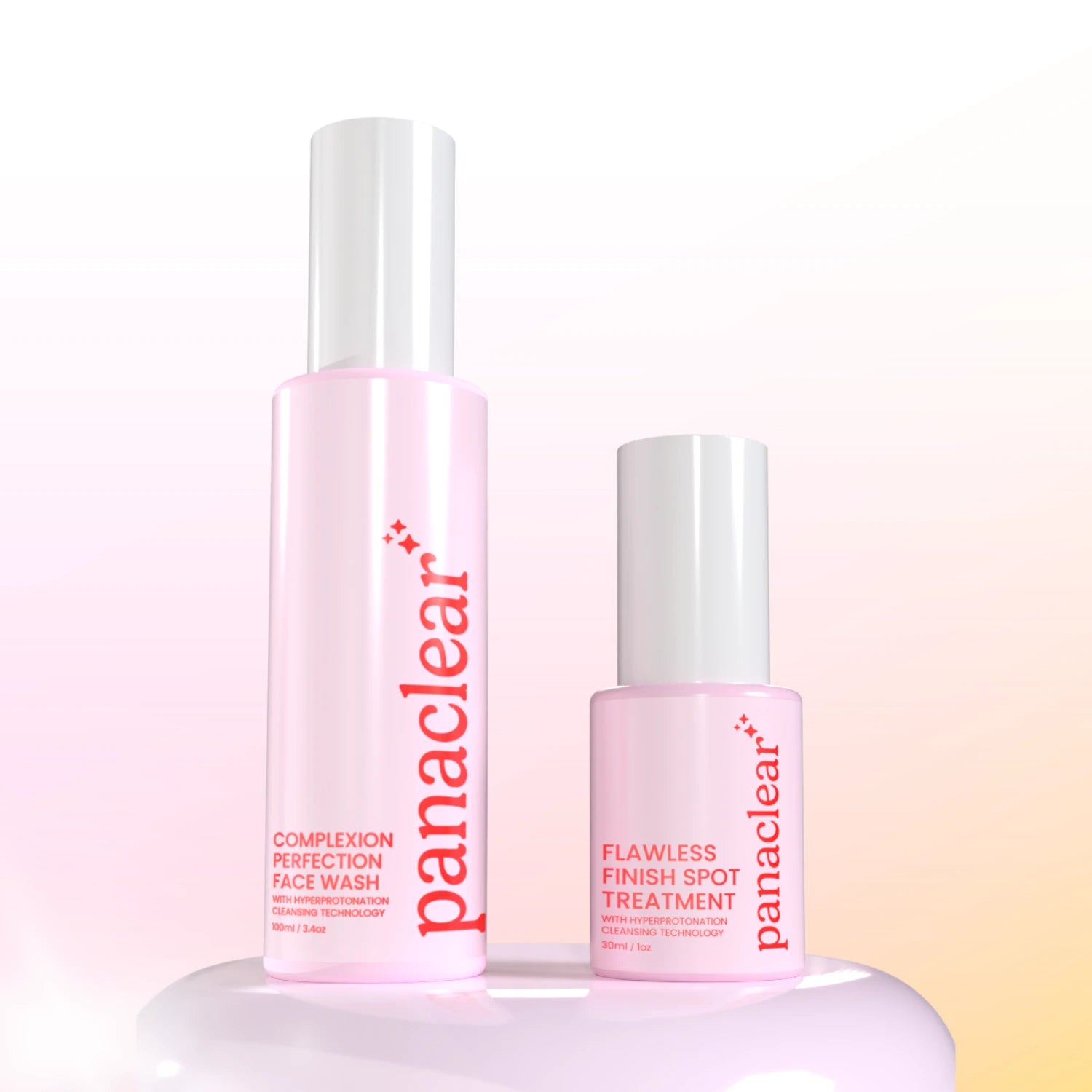
Complexion Perfection Face Wash:
✨ Clinically proven hyperprotonation cleansing technology helps cleanse away biofilms
✨ pH balanced formula helps protect your barrier and maintain moisture
✨ Formulated with all new hero ingredient monolaurin: an antimicrobial fatty acid derived from coconut oil
✨ Perfect for all skin types, especially acne-prone skin.
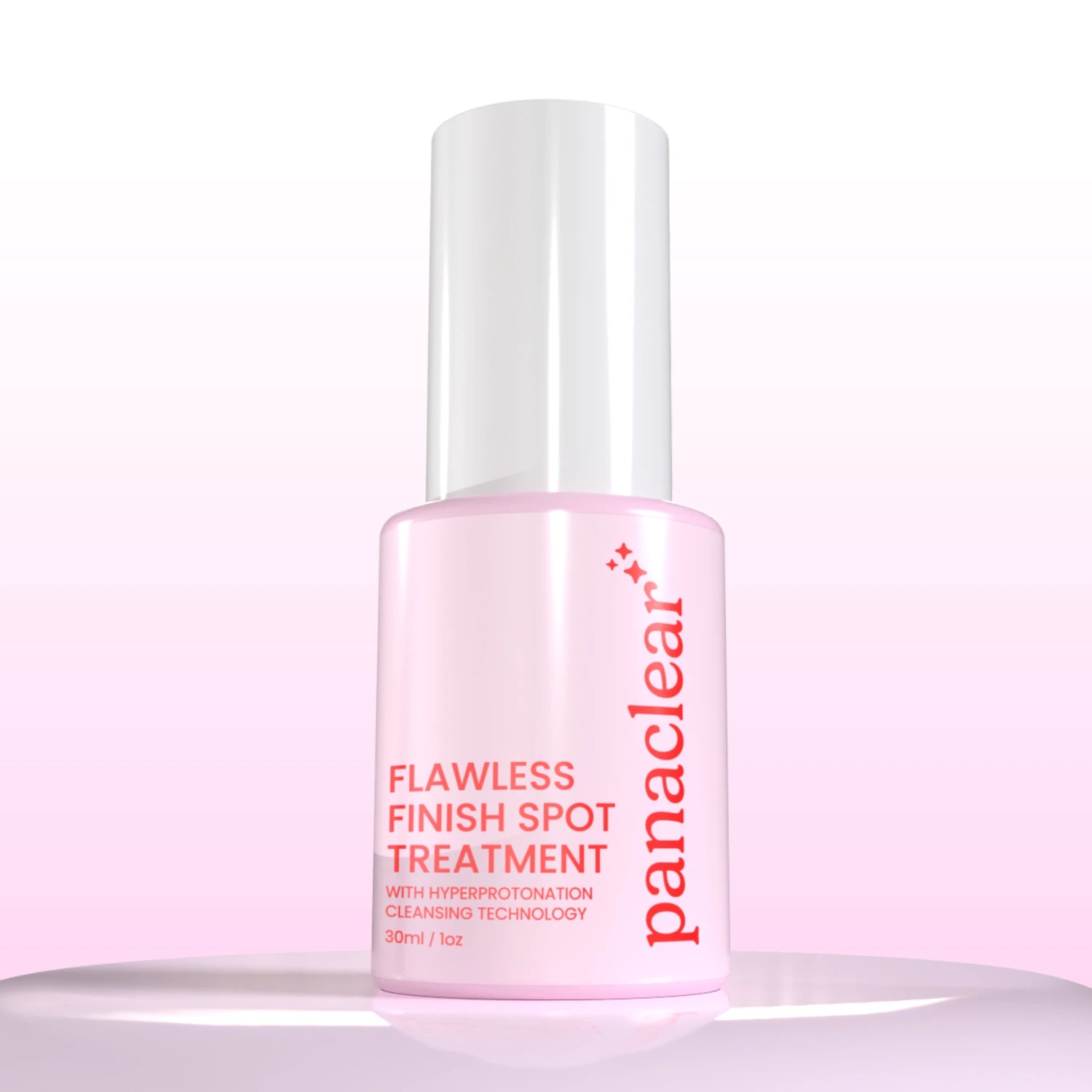
Flawless Finish Spot Treatment:
⚡️ Totally supercharged to help you fight the appearance of acne!
✨ Formulated with clinically proven hyperprotonation cleansing technology
✨ Twice as concentrated with our hero ingredients monolaurin and citric acid to help you fight blemishes fast.
✨ Best for acne-prone skin.
For best results, use an almond sized amount of the Complexion Perfection Face Wash 2x daily, morning and night. Massage over dry or damp skin and let it sit for at least two minutes.
Rinse off with water. Avoid eyes.
For the Flawless Finish Spot Treatment, apply a small amount directly to spots or blemishes as needed, let it sit for at least 2 minutes, then rinse with a damp cloth. Avoid eyes.
Always consult the back of the bottle for full directions before use.

Complexion Perfection Face Wash:
Water, Sodium Laurylglucosides Hydroxypropyl Sulfonate, Sodium Cocoamphoacetate, Citric Acid, Sodium Stearoyl Lactylate, Monolaurin, Polysorbate 20
Flawless Finish Spot Treatment:
Sodium Laurylglucosides Hydroxypropyl Sulfonate, Sodium Cocoamphoacetate, Water, Citric Acid, Sodium Stearoyl Lactylate, Monolaurin, Polysorbate 20
Your cart is currently empty.


